Welcome To The
470 Amateur Radio Group Of
East Tennessee
Now 20 Years On The Air As Of September 2026 !
The 145.470 (-) (optional decode tone: 118.8 Hz) repeater is located NORTH of the Knoxville area - high atop Cross Mountain
OUR 20TH YEAR ON THE AIR
The 145.47 repeater celebrates 46 years of service in 2026!
On AUgust 13th, 2026, KO4WIL-R will be the node to connect to.fo EchoLink During AND Allstar during The Net Only, ,
To Go To Other Pages Click
On The 3 Dots On The Top Right !
NET CONTROLS
N4JTQ RICK
N1LST SCOTT
KI4RAY RAY
KI4YCJ DANNY
KO4WIL WILL PROVIDES ECHOLINK
KO4WIL-R DURING NET
KR4AXE JOE /ALTERNATE
W8BRD BILL BILL / ALTERNATE
WB4AMV RON / ALTERNATE
KQ4ZHO KURT / ALTERNATE
fAMILY NET, 3RD PARTY ACCEPTED
NEW PL TONE 156.7
NOTE !!!!!
fOR MORE INFO ABOUT RADIO'S BEING BANNED GO TO THE SERVICE PAGE IN THE MENU !!
Info On The 470 ARG
About The 145.470 Repeater
The 145.470 (-) (optional decode tone: 156.7 Hz) repeater is located NORTH
of the Knoxville area - high atop Cross Mountain!
The 145.47 repeater celebrates 40 years of service in 2021!
Please note: If you hear a "beep" tone at 15-second intervals, this indicates that the repeater is on emergency battery power.
When this repeater was first put into service at this location, it was hoped that it would cover an area just to the north of Knoxville to up near the state line... however... that was not to be the case. As it turns out, we were pleasantly surprised that this machine has far exceeded those boundaries!
In reality... this repeater covers a wide and rugged area of the Southeastern United States! Many regular users of this machine do so routinely from Tennessee, North Carolina and Kentucky!
Although many East Tennessee hams use this machine every day, we have been known to make contacts in Virginia... Georgia and even parts of Ohio!
Some of the equipment that makes up this machine includes:
- General Electric "Mastr II" VHF repeater with internal controller
- Autocode CW ID unit
- Celwave (Phelps Dodge) PD-497 6-cavity pass/reject duplexers
- Sinclair SD-224 4 element folded dipole VHF antenna
- 1/2 inch Andrew "heliax" transmission line
- Motorola "Maxtrac" UHF mobile transciever for remote control
- Broadcast Tools DTD-16 DTMF decoder for remote control
- Four (4) FP-AGM24 backup batteries and battery tender (charger) NOTE: If you are using the 145.47 repeater, and hear a "beep" tone at 15 second intervals, it means that the electrical power is off and the battery backup is active.
TONE CHANGE STATUS (SEE EXPLANATION BELOW) - As of 9/4/2026:
Repeaters on the new tone of 156.7:
145.17, 146.625, 146.850, 146.940, 147.075, 443.000, 444.300, 444.950
Repeaters on the old tone of 118.8:
145.43, 145.47, 146.73, 443.300
Repeaters off the air but will return with the new tone of 156.7:
53.15, 147.150, 224.340, 444.925
WB4GBI repeater users, Please read the following carefully!
I am changing ALL of my 6 meter, VHF and UHF repeaters CTCSS tone from 118.8 to 156.7. Why, you ask? You may already know that there is a broadband noise that runs up and down the two meter band in this area, with the buzz audio component of 120 Hz, which by the way is the second harmonic of a sick 60 Hz switching power supply. It opens up most of my vhf repeaters with the 118.8 tone. Efforts to find it have been unsuccessful so far. It has been in 145.17, 145.47. 146.625, 146.85, 146.94, and 147.075, all of which are at different locations. It has been in my 443.00 repeater here at my hilltop home. While the changing and usage of the tone will NOT eliminate the problem, it will at least mute it so that users are not subjected to long sessions of nothing but noise.
I do NOT take this decision lightly. I realize that it will involve all of the local users re-programming their radios. I try to run 145.17, 145.47, 146.73, 146.85, and 146.94 with open (carrier) squelch as much as possible, but this situation has made that difficult. I know I will need to advise Repeaterbook and ARTSCI publishing of this change as well.
It will be a gradual process, and as I am recovering from shoulder surgery and it will not happen in the immediate future.
I would very much appreciate your feedback. Please feel free to comment or message me directly with your comments pro or con. Thank you for reading!
JOIN US EVERY THURSDAY EVENING FOR THE 470ARG NET STARING AT 7:30PM LOCAL TIME
SEPTEMBER - MAY
JUNE - AUGUST
8:00 PM SUMMER HOURS
145.470 MAIN REPEATER
156.7 TONE IF NEEDED
146.850 BACKUP REPEATER
156.7 TONE IF NEEDED
7:30 TO 9;00PM
CHECK IN'S & ANNOUNCEMENTS
9;00 TO 9;50 TRIVIA
9;50 10 10;00 CHECK INS
10;00 TO WHENEVER
ROUND TABLE !
NOTE our round table will be only for tallking about HAM RADIO related item's,
We can talk about:
Check topics below~!
Awards
Contests
Nets - traffic and casual nets
Ragchewing
ARRL Field Organization
Emergency Communications
Direction Finding
Satellite Operation
Repeaters
Image communications
Digital Communications
VHF Communications
Microwave Communications
EME (Earth-Moon-Earth)
---ac Theory and Reactive Components---
Quality Factor or Q of Components
Impedance
---safety---
RF Radiation and Electromagnetic Field Safety
Safety when building
---analog circuits---
Power Supplies
---Modulation types---
AM
SSB
FM
Digital Modes (WSPR, FT8, PSK31, Olivia, RTTY)
CW
Packet Radio
APRS
SSTV
FSTV
Radio Control
Spread Spectrum
---filters---
ELSI filter design tool
---transmission lines---
Matching antenna to transmission line
Matching transmission line to radio
Balancing devices: BALUN, UNUN
Impedance transformers
Waveguides
---antennas---
Trap dipoles
Verticals
Yagi
Quad
Quagi
Circular polarized beam
160 meter antennas
---propagation---
VOACAP
WWV / WWVH
Troposphere
MUF Prediction
Trap dipoles
---hamfests---
What to buy
How to negotiate
What NOT to buy
Experiences
---where to buy stuff online---
Favorite general retail dealer
Components?
Wire?
Tools
Kits to build
Measurement equipment
Contact ISS
By Voice or
SSTV
The following frequencies are currently used for Amateur Radio ISS contacts (QSOs):
Voice Downlink: 145.80 (Worldwide)
Voice Uplink: 144.49 for ITU Regions 2 and 3 (The Americas, and the Pacific and Southern Asia)
Voice Uplink: 145.20 for ITU Region 1 (Europe, Russia and Africa)
VHF Packet Uplink and Downlink: 145.825 (Worldwide)
UHF Packet Uplink and Downlink: 437.825
VHF/UHF Repeater Uplink: 145.99 (PL 67 Hz)
VHF/UHF Repeater Downlink: 437.80
SSTV Downlink 437.550 MHz with Robot36 mode and two minutes in between each image.
Orbit Prediction Software
Commercial and public domain software is available to help track when the ISS will be in range of your station, and where to point your antenna. Various online programs allow you to follow the path of satellites, including the ISS.
You'll find one such pass prediction tool on the AMSAT website. Use the drop-down menu to select the "ISS" as the satellite you want to track and enter your longitude and latitude information. Click on the link provided on that page to view the current location of the ISS. You'll find this and other tools for satellite tracking on the AMSAT website at
www.amsat.org/amsat-new/tools/.
Call Signs in Use
The following call signs are available for use on the ISS:
- Russian: RS0ISS
- USA: NA1SS
- European: DP0ISS, OR4ISS, IR0ISS
Other call signs may come into use as the station and crew change.
WB4GBI Repeaters
.Repeaters
53.150 144.940
145.170
145.430 145.470
146.625 146.730
146.850 146.940
147.075 147.150
224.340
443.300
ALL ARE A 156.7 TONE IF NEEDED
927.0625
Check Out The ARRL Newsline
Amateur Radio
Information
At It's Best
*********
https://www.arnewsline.org/
Since 2007
Thanks To Tim Berry WB4GBI For His Support and Dedication To AmateurRadio & All Our Great Members Who Have Supported The 470 ARG
The 470 ARG was created back in 2007 at the Ten Tec Hamfest, a group of folks from several states wanted to get together, once a week and see how each of us was doing, talk about amateur radio, new gear we may have got, and just good old QSO's while enjoying the fellowship between us. It started out with 14 of us and since then has had over 131 check in's on the net, with 2.9 K members and growing every day. Tim Berry WB4GBI.

WHAT YOU SHOULD HAVE IN A GO BAG
A ham radio go bag contains a portable amateur radio transceiver, alternate power sources like spare batteries or solar chargers, upgraded antennas, vital connection cables, and small emergency tools designed for rapid deployment during field operations or disasters..
- Handheld Transceiver (HT) or QRP Radio: Dual-band VHF/UHF HT (like a Baofeng or Yaesu) or a compact portable HF radio.
- Headphones or Earpiece/Mic: For private listening and clear copying in noisy environments.
- Aids to Navigation: Printed local repeater lists, call sign info, and a small notepad with pens.
- Upgraded Handheld Antenna: Flexible whip or high-gain antenna (such as a Nagoya NA771).
- Deployable Wire Antenna: Roll-up J-pole for VHF/UHF or a portable dipole/end-fed halfwave for HF work.
- Coax and Adapters:
- Backup Power: High-capacity extended batteries or AA battery clamshell packs.
- Charging Systems: 12V DC power cords, USB charging cables, or a portable folding solar panel.
- Tools and Maintenance: Spare fuses, multi-meter, electrical tape, and zip ties
- I also agree that utility and environmental items are essential, with a consensus recommending weather-appropriate gear, flashlights, a small first-aid kit, and offline maps.
- These would be the items that are recommended,
- Myself, I am more particular , the above items for sure,
- My bag does have those above plus these, 3 HT's with usb-c charging, 2 60,000 solar banks, cables for them,medication & first aid kit, a 20 inch base type antenna, night vision binoculars -2 one with a 4 inch screen and a standard both with night vision, bowie knife,multiple connectors and adapters, SWR meter, extra food in cans,or packages, lighter and matches,heavy duty solar lights and several flash lights (tactical) type,weather radio solar with hand crank, solar powered with usb-c charging covers AM_FM SW Weather ..toliet paper,,
- There are also fire cubes to instantly start a camp fire, a portable fire pit, these are small but work well., 504 type crazy glue, 2 small portable fans 3x2 x3 usb-c charging..poncho's..
- So in short always be prepared for anything
******************************************
AMATEUR RADIO LINKS
JUST COPY AND PASTE THE LINK
WB4GBI WEBSITE https://wb4gbi.com/
lUNCH bUNCH WEBSITE https://www.lunchbunch.net/
SEVIER COUNTY ARS & HAMFEST https://www.seviercountyars.info/#
MIKLOR RADIO INFO HOMEPAGE https://www.miklor.com/
PRACTICAL ANTENNAS https://practicalantennas.com/
DIXIE TRADERS NET https://www.dixietraders.net/
THE WIREMAN https://thewireman.com/
CHAT RADIO JIM GIFFORD https://www.chattradio.com/
RADTEL RADIO'S https://www.radtels.com/
RETEVIS
https://www.retevis.com/shop/ecs-ham-two-way-radios
RADIODDITY https://www.radioddity.com/
MAXTALKER RADIO'S https://maxtalkerradio.com/
TALKPOD RADIO'S https://talkpodonline.com/
BAOFENG RADIO'S https://www.baofengradio.com/
JUCJET RADIO'S https://www.baofengradio.com/
DX ENGINEERING https://www.dxengineering.com/
GIGAPARTS https://www.gigaparts.com/
YAESU https://www.yaesu.com/
ICOM https://www.icomamerica.com/
KENWOOD RADIO https://www.kenwood.com/usa/
TIDRADIO https://tidradio.com/
SURECOM TEST EQ https://www.surecom.com.hk/
BTECH RADIO
https://baofengtech.com/?srsltid=AfmBOoo9MHIpdvvza9LZOg
BAOGMQzj1dv3cvm99s4JdyV7SOIQI6_8Pn
MY GMRS WEBSITE https://mygmrs.com/
REPEATER BOOK
https://www.repeaterbook.com/
TENNEESEE HAM FREQUENCIES LIST VIA
REPEATER BOOK
https://www.repeaterbook.com/repeaters/Display_SS.php?state_id=47
SIGNAL STUFF THEY HAVE A LIFETIME WARRANTY !
https://signalstuff.com/products/st-sma-m/
WALCOT HF HAMSTICKS
https://www.walcottradio.com/pack-of-hf-fiberglass-antennas-p-4138.html?srsltid=AfmBOorZBSzOeH1ATXJM3rNvDjkVnScTffw1o89lY76UarJdAQihNfuQ
HAM SCHOOL https://www.hamradioschool.com/
R & L ELECTRONICS https://www2.randl.com/index.php
HRO ELCTRONICS https://www.hamradio.com/
MTC HAM RADIO https://mtcradio.com/
ISS INFO & CONTACT
https://www.ariss.org/contact-the-iss.html
CHIRP PROGRAMING SOFTWARE
https://chirpmyradio.com/projects/chirp/wiki/Download
RADIO REFERANCE https://www.radioreference.com/
RACK CLUB https://www.w4bbb.org/
ARROW ANTENNA'S https://www.arrowantennas.com/
ABBREE ANTENNA'S
https://www.abbree.cn/product-category/antenna/
JETSTREAM ANTENNA'S PLUS
https://www.jetstream-usa.biz/jet/index.php?main_page=index&cPath=2
EAST TN SKYWARN https://etskywarn.com/
COVERS ALL DISTRICTS
Tagline
A practical, what-you-need-to-know guide to getting started making amateur radio contacts via FM radios and satellites.
All that's required to begin is a good handheld radio, an inexpensive antenna, and a smartphone. Of course, you can get complicated (and expensive) in this area of the hobby, but we're going to keep it to the basics here.
Inside you'll find step-by-step tutorials on finding out where, when, and how to connect to the various "Amsat" satellites that can be accessed by amateur radio operators. The same information can be used to look up hundreds of other non-ham satellites that you can visually spot or listen to with a radio.
The sky has never been more accessible! This short book gives you a simple step-by-step walkthrough of all the options to make long-distance contacts through an inexpensive Yagi antenna using mostly free software available on the Internet and includes many screenshots and examples. The whole process is detailed, from buying (or making) an antenna to programming your radio and adjusting for Doppler shift.
Once you know a few simple procedures, you can start making your first calls to individuals, ham repeaters, or world-wide talk groups.
Get from AMAZON for Kindle or Paperback
- .Award-winning ham radio author Michael Burnette, AF7KB, takes you on a journey through every form of radio wave propagation, from ground waves to propagation in outer space.
If you've thought "propagation is a lot like the weather -- you can talk about it, but there's nothing you can do about it" -- think again!
For each form of propagation, you'll learn the best ham radio practices to increase your chances of "making the hop", whether that's across town or across the globe.
* Ground Wave Propagation
* Earth-Ionosphere Waveguide Propagation
* Line-of-sight Propagation (It's almost never line of sight!)
* Terrestrial Scatter Propagation
* The Fresnel Zone
* Knife Edge Diffraction
* Tropospheric Scatter
* Tropospheric Ducting
* Tropospheric Bending
* “Normal” Tropospheric Ducting
* Elevated Tropospheric Ducting
* Other Forms of Tropospheric Propagation
* Ionosphere Basics
* The Anatomy of The Ionosphere
* How the Ionosphere Bends our Signals
* Ionospheric Absorption
* What Frequency Should I Choose?
* Space Weather and the Ionosphere
* Sunspots and Sunspot Numbers
* The Solar Flux Index
* Solar Flares and Sudden Ionospheric Disturbances
* Coronal Mass Ejection
* Geomagnetic Storms
* Space Weather Terms
* Types of Ionospheric Propagation
* Getting Started in (Smart) High Frequency DX
* Meteor Propagation
* How the Pros Use Meteor Scatter
* Working Meteor Scatter
* Auroral Propagation
* Space Propagation
* Satellites
* Moon Bounce
*How we Figured out This Ionosphere Stuff
Each topic is fully explained in the conversational, plain-language style of the Fast Track ham license books, with a maximum of illustrations and a minimum of impenetrable math formulas.
KEEPING YOUR EQUIPMENT SAFE FOR USE
How to use an SWR meter step-by-step
- Insert the meter between radio and antenna: TX → “Transmitter” port, Antenna → “Antenna” port.
- Choose test channel/frequency: CB Ch 20 (27.205) is common. For ham, use a clear spot in-band.
- Set power to low or medium. Use AM/FM carrier or a brief “tune” power.
- Key up shortly and read SWR. Repeat at low and high ends of the band.
- Tune the antenna: If SWR is lower at the low end than the high end, shorten the antenna. If lower at the high end, lengthen it.
- Re-check after each small adjustment until readings are at or below your target.
Good SWR targets and what they mean
- ≈1.0–1.3:1 Excellent.
- ≈1.5:1 Good. Little power lost.
- ≈2.0:1 Borderline. Investigate coax, connectors, ground, and antenna length.
- >2.5:1 Poor. Find and fix the mismatch before heavy use.
How to read a cross-needle SWR meter
- Two needles: one shows forward power (FWD), the other shows reflected power (REF).
- Intersection: where the needles cross, read the SWR scale. The meter computes the ratio for you.
- Rule of thumb: bigger gap between FWD and REF → lower SWR. If REF rises close to FWD, SWR is high.
- I USE SEVERAL TYPES, BOTH ANALOG AND DIGITAL, I ALSO HAVE A FIELD STRENGTH METER, FREQUENCY COUNTER'S, COMPONET CHECKERS,
- MOST OF MY EQUIPMENT IS SURECOM ..
- THE SW32V ANALOG, SF103 FREQ COUNTER, SF401 FREQ COUNTER, SURECOME SIGNAL STRENGTH METER,A SW33 MARK II , SW112 , SSEEII NANO VNA,SPECTRUM UNIT,
- I DO A LOT OF TESTING AND THE UNITS ABOVE ARE NOT THAT EXPENSIVE !
- ALL CAN BE FOUND AT AMAZON
- SO YOU KNOW WHERE I GOT,
- I DO RECOMMEND THE ABOVE TEST EQUIPMENT..
- CHECK YOUR EQUIPMENT, RADIO'S, ANTENNA'S TO MAKE SURE YOUR EQUIPMENT IS PROPERLY WORKING !
- SWR & WATT Meters are not that expensive, I use mostly the Surecom Brand for my test equipment, the list below was purchased at AMAZON
- SURECOM SW-32UV SWR & WATT METER
- $55.00
- SURECOM SW-112VU SWR& wATT METER
- $37.00
- SURECOM SF103 FREQENCY COUNTER
- $54.00
- SURECOM SS10 SIGNAL / FIELD
- STRENGTH METER
- $32.00
- XRAS 10 WATT DUMMY LOUD
- $17.00
- XRAS 15 WATT DUMMY LOAD
- $18.00
- XRDS 25 WATT DUMMY LOAD
- $20,00
- XRDS 50 WATT DUMMY LOAD
- $28.00
- XRDS 100 WATT DUMMY LOAD
- $43.00
- This is a few of my test equipment
- and highly recommend these for
- your HAM Shack
- The Dummy Loads I Try To Keep Just Above The Stated Output Wattage
- Is Why I Have Several
- Accurate And Priced Right
SS-10 SURECOM FIELD STRENGTH METER
The SS-10 Field Strength Meter is ideal for reading relative field strength from your antenna.
It is a compact unit that fits in the palm of your hand and can be taken anywhere.
The best part of using it is that you now can tell if your antenna is radiating or not by simply holding the unit near your antenna and adjusting the sensitivity. Also, by taking measurements, you can find out relatively how strong your antenna field is. Operation The SS-10 Field Strength Meter is very simple to use. It requires no power because your antenna field provides the power necessary to run the meter.
Simply raise the single whip antenna on your unit, stand several feet away, and adjust the sensitivity knob on the front, it’s that easy.
You want to ensure that the whip antenna is parallel with the polarity of the antenna you are reading.
Now you can read the relative field strength of your antenna.
COPY & PASTE THE lINK BELOW TO
SEE FULL DETAILS !!
https://www.surecom.com.hk/ss10
I USE THIS A LOT TESTING ANTENNA'S !
SOLDERING
What is soldering?
What is soldering?
Soldering is the joining of two metal surfaces mechanically and electrically, with the use of metal called solder. Solder secures the connection so it doesn’t break loose due to vibration or other mechanical forces. It also provides electrical continuity, so that the electronic signal can travel through the connection without interruption. The solder is melted using a soldering iron. Flux is used to clean and prep the surfaces, which allows the melted solder to flow (or “wet”) and bond with the metal surfaces.
THE 15 RULES FOR SOLDERING ARE SHOWN ON THE LINK BELOW, JUST COPY AND PASTE TO YOUR SEARCH BAR
https://blog.sra-solder.com/how-to-solder-electronics/page/2
Gallery Of HT Radio's To Have
These Are A Few That I Would Highly Recommend & Have Tested !
These Are A Few I Have Purchased From AMAZON
NOTE I DO NOT CHARGE FOR PROGRAMING RADIO'S
BUT ANY DONATIONS ARE WELCOME TOO COVER THE COST OF
THE DATA SHEET THAT HAS ALL INFORMATION THAT I
SUPPLY...
********************************************
BAOFENG SW9 UV36 Shortwave Antenna Si4732 Chip Ham Radio Aviation 52.99This is a fantastic radio,Programming Type-C Rechargeable Multi-Mode AM FM LSB USB CW Use UV17PRO GPS CHIRP !Si4732 Full-Band Receiver with Shortwave Antenna High-sensitivity Si4732 chip supports FM/AM/LSB/USB/CW demodulation, covers VHF/UHF/Aviation band + shortwave receive, multi-band signal monitoring 1000 channel in banks of 100,great 1.77 Display !
Retevis A3 Quad-Band Ham Radio Handheld,10m/6m/2m/70cm Transceiver(1 Pack)
- Quad band TX & wide RX; covering amateur bands at 10m;6m;2m and 70cm; you can listen to SSB/AM/FM/CW; A3 is not just a walkie talkie; it's your all-in-one base station for field communication 109.99
Radioddity GS-10B Pro Ham Radio, 8W Dual Band
999 CHANNELS 69.99 REAL-TIME SPECTRUM DISPLAY: View live signal activity on the 1.77" color screen with real-time spectrum and waterfall-style visualization,Covers UHF, VHF, HF, AM airband, FM, and NOAA weather channels for wideband signal monitoring,DUAL SMA ANT PORTS: Features separate SMA ports for VHF/UHF operation and dedicated HF reception. Includes SW and MW donut loop ANTs designed to help reduce local interference and improve weak-signal shortwave and DX listening performance,
TYT UV-88 Multi Band Ham Radio, HF VHF UHF Dual Band Receiver, AM USB LSB CW CB LW MW SW SSB Reception, 1024 Channels, 2000mAh Battery, Type-C
In addition to supporting full-band AM FM USB LSB CW CB LW MW SW SSB and Air-Band RX, the device features a port for connecting a shortwave antenna, significantly enhancing signal reception. 38.00
Radioddity GS-10B Pro Ham Radio, 8W Dual Band 69.99
GS -10B PRO, BUT GREAT RADIO
With Real-Time Spectrum, HF SSB CW Airband NOAA All-Band Receiver
999 CHANNELS FULL HF SSB/CW RECEPTION:
Covers 150kHz–30MHz with support for SSB (USB/LSB) and CW reception
BAOFENG SW9 UV36 SW9 52.99
Type-C Rechargeable Multi-Mode AM FM LSB USB CW
1000 CHANNEL LARGE DISPLAY
Radioddity GC10B 256 CH TriBand Radio
47.99 WIDE RX ALSO !! Great Radio !!!
BAOFENG K5PLUS 10W Tri-Band Ham Radio with Long High Gain ANT & Speaker Mic
UHF VHF 1.25M Long Range Two Way Radio, 999CH, Aviation NOAA Receiver, 2500mAh Battery+Type-C Port Tri-Band Amateur Radio: Supports tri-band transmission (UHF, VHF, 1.25M) and multi-band reception (VHF, UHF, FM, Airband, 1.25M, 1M, NOAA), offering expanded coverage and versatility across multiple frequencies for more flexible communication. FCC ID: 2AJGM-5RM
Radioddity GS5B TriBand 8-10 Watts 2M & 440, 5Watt 1.25
Dual PTT 512 Channel 74.99
MaxTalker P15 36.99 - 999CH 10 Watt
MaxTalker MTUV5R 39.99 2pk 39.99- 999 CH
Add a 3800 , 5200 or 6800 Battery ! I have On Mine
Great RX & TX
I HAVE 2 FOR HAM/GMRS/MURS & MORE
i ALSO HAVE 2 THAT I USE AS A SCANNER
FOR ALL PUBLIC SERVICE RX
UV32 35.99 - 999 CH 10 Watt
TIDRADIO TD-HG 10Watt GPS/APRS GMRS Radio Handheld,Spectrum Analysis
199 CHANNELS,76.99
UV28 39.99 - 1000 CH 10 Watt
THIS IS THE SISTER TO THE UV25 & UV32
Baofeng UV25 10 WATT, 999 CHANNEL
5200 mAh bATTERY 54.00 + DEPENDING ON OPTION
OF ANTENNA , MIC ECT GREAT RADIO & FEATURES
Brother To The UV32 Awesome Radio Metal Case !
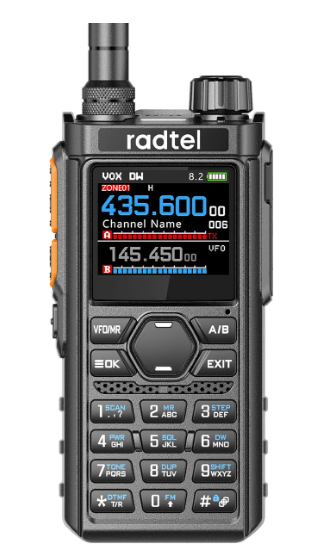
Radtel RT920 56.00 960 CH 10 Watt
TX on 2M -440 - 1.25M -11 M- GMRS -MURS -6M
RX 800-900 Meg 300 Meg Air Band & More !!
This Radio Is My # 1 Carry !!
ITS A SHACK IN THE BOX !!
Radtel RT900 25.99 - 256 CH 8 Watt
COVER 800 & 900 RX ALSO
Radtel RT630 59.99 - 256 CH - 10 Watt
Radtel RT730 39.00 -199 CH 10 Watt
Radtel RT890 30.99 - 999CH 5 Watt
Retevis HA2 94.99 -1024 CH
UV7B 25.49 - 1000 CH 10 Banks
UV10R MAX 2PK 58.79 - 999 CH 10 Watt
UV22 34.99 -999CH
I Really Like The Radio and Features
TalkPod A 36 40.49 - 999 CH
UV21R 24.99 - 999 CH
UV17R 23.01 -- 999 CH
Radtel 910 / 910B 29.99 - 960 CH 5 Watt
COVERS 800 & 900 RX
Baofeng BF-F8HP 10 Watt 10 Zones
1000 Channel Triband 2M -440 - 220 TX
Great Little Radio 5 Watt
11 Watts 2 Meter & 8 Watts UHF
&62.99
Note:added BAOFENG BF-F8HP PRO Battery Rechargeable 5200mAh Extended Battery Compatible with AR-5RM,UV-5RH PRO GPS,UV-5G Plus,5RM GM-5RH GMRS USB-C Charger for Ham Radio Handheld 17.98 Big A, Awesome
Retevis RT85 Dual Band Black 5 Watt
200 Channel, Mono Screen
Expand MOD hold The F & 7 When Turning On!
$39.99
UHF/ VHF VR-P25D 25-30W Walkie Talkie Power Amplifier Support Analog Digital DMR P25
Digital 400-470Mhz or 136-174MHz support: 108.00 +-
UHF Analog radio or UHF analog+DMR radio or C4FM/D-STAR/NXDN/IDAS/DPMR/P25 Phase1/MPT1327/P25 Phase 2
The amplifier is compatible with Analog AND Digital Radio from select frequency band
Connect the amplifier to your handheld analog or digital radio to extend the communication range
Dual-mode multi-system can be used in analog and digital walkie-talkies. included analog and digital FDMA/TDMA(DMR/D-STAR/IDAS/NXDN/DPMR/P25)
Machine with automatic power control, multi-stage filter, amplifier circuit, etc. It can be used to connect to various handheld radios and equivalent to a Mobile Radio which can be use the microphone is the car.
Small and convenient, can be installed in the car can also be installed on the backpack.
PRODUCT HIGHLIGHTS:
1. The Amplifier series are portable, lightweight, wide coverage RF power amplifiers for handheld radio equipment.
2. Dual mode amplifier for both digital and analog radio automatic recognition of digital and analog systems
3. The amplifier compatible with all FDMA: P25 Phase 1, C4FM(system Fusion), NXDN, IDAS, DPMR, MPT1327 and TDMA include: DMR, P25 Phase 2.
4. High output power up from 30-40W Max. (Input:2-6 watts)
5. Small size: This amplifier's size makes it the perfect companion for field operation without the added weight.
6. Includes voltage spike suppression, over temperature protection, RF sensing, Automatic power control (APC), Harmonic filters.
★ What is it? VR-P25UD is a lightweight portable handheld RF amplifier. With this amplifier you can easily extend the communication range of a handheld radio.
★ Use the amplifier to create: a mobile device with a vehicle-mounted antenna, a powerful field radio with a field-installed antenna or a base station with an antenna on a mast. Your handheld radio connects and disconnects in seconds.
★ With an input power of 2-6 watts, up to 40 watts of output power can be achieved.
★ Suitable for TDMA mode in addition to FDMA (C4FM, D-Star, NXDN, IDAS, dPMR, P25, MPT1327, DMR Tier II). Supports analog and digital handheld radios, e.g. Baofeng, Radioddity, Kenwood, Yaesu, Motorola DMR radios.
★ Certifications: All amplifiers have been CE, FCC certified.
FCC ID: ZVM-VR-P25U. CE ID: MOST18EE040578
Three Primary Modes of Amplification
Radio Controlled
Connect to the antenna output of the handheld transceiver to the RF-IN connector on the rear panel of the amplifier with the Radio to Amplifier RF cable. Transmit and receive right on the Handheld radio - while your output signal is amplified.
Accessory ControlConnect to the antenna output of the handheld transceiver to the RF-IN connector on the rear panel of the amplifier with the Radio to Amplifier RF cable. Connect a speaker microphone, headset, or compatible accessory to the radio. Transmit and receive right on the accessory connected to the Handheld radio - while your output signal is amplified.
Technical spec:
Frequency: 400-470mhz
Model: VR-P25D (Digital)
Type: TDMA or FDMA version
Input: 2-6w
Output: 25-30w
Supply voltage: DV13.8V
***********************************
New Tech Improvments , Features,
RX Frequencies (DO NOT TX ON THEM!)
Noise Reduction, Great RX & TX On
The Units Shown Above
You Can Set Up With Chirp Or Factory Software
I would be happy to program the above, and any other not listed,
Analog Only At This Time ,Drop Off & Pick Up Only
I Also Have RT Systems Software For:
QRZ-1 , FT3200 , FT VX6 , TYT UV88 , FT70D
FT3185 , GS10B Pro
The Radio's Above Are Good Being Used As A Scanner Option,
I Have Ham-GMRS-MURS-FRS-Emergency Services,
TN National Gaurd-TVA- TN State Forestry- Marine,
TDOT-TN Wildlife-Interops Gov-Good Year Blimp,
All Air Traffic Commercial & Military
And Much More, Keep In Minnd Do Not TX On
Frequency Other Than What Your License Is !!!!!




*******************************************
DO HT'S CAUSE BRAIN DAMAGE
The human brain naturally consumes about 12 to 20 watts of power to function. Walkie-talkies transmit much less power than this—typically between 0.5 and 7 watts. Because this radiation is non-ionizing, it doesn't cause radiation damage, but it can create minor tissue heating. [1, 2, 3, 4, 5]
Here are the details of how a walkie-talkie’s power interacts with your brain:
1. How Much Power is Absorbed?
Instead of taking all the power, only a tiny fraction of a walkie-talkie’s transmitted energy is absorbed by the head. This is measured using the Specific Absorption Rate (SAR)
Regulatory bodies like the Federal Communications Commission mandate that consumer radios operate well below hazardous heating thresholds.
Reputable radios sold legally are rigorously tested to ensure they do not produce heating that alters biological tissue. [1, 2, 3]
2. General Safety Standards
When using a standard, unmodified walkie-talkie directly next to your head, the health risk is generally considered negligible. []
Frequency: Standard walkie-talkies operate on frequencies (like FRS or GMRS bands) that easily pass through tissue without depositing enough energy to damage brain cells
Usage: Normal operation is done via quick "push-to-talk" bursts, meaning the device isn't constantly transmitting like a cell phone on a long call. []
3. How to Further Minimize Exposure
If you are using higher-powered radios (such as 5W to 7W commercial or amateur radios) or simply want to minimize your exposure, you can take a few easy precautions: [1]
Use Accessories: Use a remote speaker microphone or an earpiece so the main radio and antenna are kept away from your head.
Keep Distance: Hold the radio a few inches away from your face when you press the transmit button. []
Honestly? Not really.
Unless you're modifying your radio, using unapproved high-power transmitters, or keeping it pressed against your head for hours at a time (which most people don't), the health risk is considered very low to negligible.
If you still feel unsure, there are a few simple ways to reduce exposure even further:
• Use remote speaker microphones or earpieces
• Hold the radio a little away from your body when transmitting
• Avoid using uncertified or illegally modified devices
These small changes aren't just about safety—they often make your communications more comfortable and efficient too.
WHAT TO CHECK,WHAT i lOOK AT !
Radio Specifications
“Range” is not a specification for a radio; it is a marketing ploy. While the range of a radio may be affected by the transmit power and receiver sensitivity, it is far more affected by line of sight. If the range of a radio is printed on the package or in the specifications, beware. To start with, the claim is always qualified with small print saying “up to”. This means it has to be ideal conditions with no obstructions. What limits the range of the radio has more to do with buildings, mountains, and the curve of the earth. Terms like “long range” don’t really have a definition and are generally used to sell the customer on spending more on a “better model”. Similarly, “sounds great” is not a valid test result or specification.
.Duty Cycle – Percentage transmit time
A duty cycle in a two-way radio transmitter refers to the fraction or percentage of one period in which a signal or system is active. It is a critical measurement in determining how much a radio transmitter is being used. For example, a duty cycle of 20% indicates that the transmitter is active 20% of the time and idle for the other 80%. The duty cycle plays a significant role in the efficiency of the transmitter and helps avoid overheating, as too high a duty cycle can cause excessive heat and potentially damage the transmitter. Therefore, understanding and managing the duty cycle is crucial in maintaining the longevity and effectiveness of a two-way radio transmitter.
Bandwidth
Bandwidth on two-way radios refers to the range of frequencies that the radio operates on. It is typically measured in kilohertz (kHz) or megahertz (MHz). The width of the bandwidth determines the amount of data that can be transmitted over a certain period of time. For instance, a narrowband radio might have a bandwidth of 12.5 kHz, while a wideband radio might have a bandwidth of 25 kHz. A very narrowband radio would have a bandwidth of 6.25 kHz. The wider the bandwidth, the more data can be transmitted, leading to clearer and more detailed communication. However, wider bandwidths also require more power and can cause more interference with other signals. Using a narrower bandwidth can get more range for a given amount of power (watts). Therefore, the choice of bandwidth depends on the specific requirements of the communication system. For two-way radios used in professional or emergency services contexts, the Federal Communications Commission (FCC) in the U.S. has mandated the use of narrowband channels to conserve spectrum space.
Output Power
Two-way radio transmit power refers to the level of power, measured in watts, that is used to send a radio transmission. Increasing wattage generally increases the range of a two-way radio, but not as much as people think. This is because a stronger signal can travel further before it becomes too weak to be received clearly. For instance, a 5-watt radio typically has a greater range than a 1-watt radio. However, the terrain and other potential obstructions like buildings can also significantly influence the actual range. S-units, or signal units, are a measure of the strength of a received signal at the receiving end. Each S-unit represents a relative increase in signal strength of 1 s-unit per 6 dB (4x the power). Typically, a portable radio (walkie talkie) is 5 watts. There are some with a higher wattage, but there are drawbacks. Higher wattage portables will drain the power faster, and some manufacturers are claiming power levels over 10 watts, which could be dangerous. Some low end manufactures are claiming power levels that the radio won’t actually do, and some vendors are padding the specs.
Spurious Emissions
Spurious emissions are unwanted frequency signals that are generated by two-way radio transmitters, which can interfere with other communication devices. These unintentional signals are the byproducts of complex electro-physical processes within the transmitters. They are not only a waste of power but can also cause harmful interference to other communication services. To control this, the Federal Communications Commission (FCC) has set a legal limit for spurious emissions.
(1) On any frequency removed from the assigned by more than 50 percent, but not more than 150 percent of the authorized bandwidth: At least 25 dB.
(2) On any frequency removed from the assigned frequency by more than 150 percent, but not more than 250 percent of the authorized bandwidth: At least 35 dB.
(3) On any frequency removed from the by more than 250 percent of the authorized bandwidth: At least 43 + 10 log P dB. P is the power in watts
This is important because part of the success of communication systems is the cooperation of everyone in sharing the spectrum. Not doing so contributes to RF noise pollution.
Frequency Stability
Frequency stability refers to the ability of a two-way radio to maintain its assigned frequency during operation. It’s a measure of the consistency and reliability of the radio’s signal and is typically expressed in parts per million (ppm). A lower ppm value indicates higher frequency stability and better performance. The frequency stability of a two-way radio is influenced by several factors including temperature changes, power supply variations, and aging of the device. For instance, extreme temperatures can cause the radio’s oscillator to drift off frequency, affecting the clarity and range of communication. In terms of specifications, manufacturers often provide a frequency stability rating that states the maximum expected frequency deviation under specified conditions. For example, a typical specification might indicate a stability of ± 2.5 ppm over a temperature range of -30 to +60 degrees Celsius. This means that the actual transmit frequency should never deviate more than 2.5 Hz for every 1 MHz of carrier frequency, throughout the specified temperature range. Drifting off frequency can cause distortion of your signal and interference to others.
Frequency Range
This is the frequency range that the radio is designed to operate in. There will be a minimum and maximum frequency listed. In some cases there may be ranges in more than one band, or different ranges listed for transmit and receive. This range designates what the radio is designed to cover, but not what is legal for you to use. Many bands require licenses for use. Modification of the radio to cover frequencies outside it’s design may also be illegal as well as possibly resulting in spurious transmissions or damage to the radio.
Operating Temperature
The operating temperature limit of a two-way radio typically ranges between -22°F and 140°F. This range indicates the minimum and maximum temperatures at which the device can function optimally without any hindrance or damage. If a two-way radio is operated below or above these temperature limits, it may not work correctly or could even suffer permanent damage. For instance, excessively low temperatures can cause the battery to drain quickly or even freeze, while extremely high temperatures can cause overheating. It’s important to note that these values can vary slightly depending on the specific brand or model of the radio.
Sensitivity
The sensitivity of a two-way radio is a crucial aspect of its performance, as it determines the strength of a signal the radio requires to provide a clear, intelligible audio output. It is commonly measured using two key parameters – SINAD (Signal-plus-noise-plus-distortion) and BER (Bit Error Rate). SINAD is a ratio that combines the desired signal, unwanted noise, and distortion elements to establish the minimum signal level necessary for acceptable audio quality. A typical value for a two-way radio might be 12dB SINAD, corresponding to around 0.2 to 0.3 uV. BER, on the other hand, is a digital concept and it quantifies the number of bits received incorrectly compared to the total number of bits transmitted. In terms of dBm (a power ratio in decibels of the measured power referenced to one milliwatt), a typical value for good sensitivity would be around -116 to -120 dBm.
Selectivity
Two-way radios are designed with the ability to filter out signals or conversations from other channels. This feature, known as selectivity, is critical for minimizing interference and ensuring clarity of communication. The selectivity of a two-way radio is typically measured in kilohertz (kHz)/decibels (dB), with a higher dB value indicating better selectivity. For instance, a typical two-way radio might have a selectivity rating of 70-80 dB for adjacent channel rejection. This means that the radio can effectively reduce signals from adjacent channels by 70-80 dB, thereby ensuring clear and interference-free communication. This is one of the areas where cheap radios often fail.
Typical Values:
12.5 KHz 65dB
25 kHz 72 dB
Intermodulation
Intermodulation specification, also known as intermodulation distortion (IMD) spec, is a vital aspect of a two-way radio. It refers to the creation of additional frequencies that are not present in the original signals due to the mixing of two or more signals in a device, such as a transmitter, amplifier or receiver. In two-way radios, IMD is a significant contributor to interference that can degrade the quality of communication. The typical values of IMD for a two-way radio may vary depending on the individual design and the complexity of the device. However, in many cases, an IMD spec of 35dB to 60dB is considered acceptable, although higher values are desired for improved performance. This is another spec that cheap radios often have trouble with. Often the user will be puzzled when they put a better antenna on and the performance gets worse.
Spurious Rejection
Spurious Rejection specification of a two-way radio refers to the radio’s ability to ignore unwanted signals or frequencies that are not on its programmed channel, also known as spurious signals. The radio’s receiver is designed to reject these signals, and the effectiveness of this function is measured in decibels (dB). A higher Spurious Rejection spec indicates a better performance. Typical Spurious Rejection values for two-way radios range between 70 to 80 dB. This specification is crucial as it ensures clear communication by minimizing the chances of unwanted signals interfering with the communication channel.
Audio Output
This pertains to the speaker’s audio output. While a two-way radio doesn’t require as much power as a traditional stereo system, a higher output proves beneficial in loud surroundings or when the radio’s location isn’t ideal.
Battery Capacity
The battery capacity is typically measured in milliampere-hours (mAh) or ampere-hours (Ah). These are units of electric charge, and they represent the amount of energy that a battery can store. A battery with a higher mAh or Ah rating would generally last longer than a battery with a lower rating, assuming that the two batteries are subjected to the same usage patterns. The mAh represents one thousandth of an Ah, so 1Ah = 1000mAh. To calculate the battery run time, you need to know the battery capacity (in mAh or Ah) and the current consumption of the device (in amps).
FCC ID
The FCC ID number on two-way radios is a unique identifier assigned by the Federal Communications Commission (FCC) in the United States. This number is used to certify that the device complies with specific regulations governing radio frequency and signal strength. The FCC ID is crucial for two-way radios because these devices use designated frequencies and must adhere to set standards to ensure they do not interfere with other systems or services. Without an FCC ID, a two-way radio is not legally approved for use in the United States with the exception of Amateur Radios, which are allowed to be modified by a licensed amateur radio operator. This is a typical FCC ID, which can be used to look up the test results and certifications of the radio. One note, some low-end radios may have labels with a forged ID, or may have redesigned the radio after the initial testing was done. Looking up the ID can help determine if the radio is actually compliant.
REPLACEMENT ANTENNA'S HT'S I HAVE TESTED AND USED
Authentic Genuine Nagoya NA-320A Triband HT Antenna 2M-1.25M-70CM (144-220-440Mhz) Antenna SMA-Female 20.98
***** STAR
Radtel Tri-Band Flex Antenna RHD-771S 144//220/430Mhz 35cm/13.7inch SMA Female Foldable Soft Antenna 9.99
***** STAR
Radioddity RD-371 Tri-Band Antenna 15.5in 144-220-440Mhz 2.0dbi SMA-Female Triband HT Antenna 2M-1.25M-70CM 12.99
***** STAR
Radioddity RD-332 14.96in SMA-Male High Gain Antenna 15.99
Nagoya NA-771 SMA-Male 15.6-Inch Whip VHF/UHF (144/430Mhz) Antenna for YAESU, Vertex, TYT, and Wouxun Radios 20.98
Nagoya NA-701 SMA-Male 8-Inch Whip VHF/UHF (144/430Mhz) Antenna for YAESU, Vertex, TYT, and Wouxun Radio 18.98
TIDRADIO TD-771 Ham Radio Long Range Antenna 15.15 inch Dual Band (VHF/UHF,144/430Mhz) 9.99 2 PK
***** sTAR
TIDRADIO Airband Antenna &Police Band (2 Pack, UHF/VHF-120/300MHz), Ham Radio Antenna 9.99 2PK
***** STAR
ABBREE AR-771 Ham Radio Antenna 15.15Inch Dual Band VHF/UHF SMA-Female Soft Whip Antenna 7.99 2 PK
***** STAR
ABBREE Ham Radio 3.14-Inch Stubby Short Antenna Dual Band SMA-Female VHF/UHF Antenna 11.36 2PK
***** STAR
Comet SMA 209 Dual Band 2M 70cm Mini Flex HT Antenna with SMA Male 20.99
***** STAR
Radtel RTA-27B Telescopic 27MHz CB Antenna SMA-Female Connector for Radtel RT-860 RT-880 RT-880G UV-98 Plus RT-920 RT-950 RT-950 PRO BJ-7800 BJ-9000 Handheld Radio 16.99
***** STAR
Radtel Aviation Antenna 108-136Mhz, 14.96 Inch Walkie Talkie SMA-Female Air Band Antenna Compatible with Baofeng 5RM Radtel RT-920 RT-470X RT-730 RT-910B RT-860 RT-880 RT-880G RT-4D UV-K5 RT-950 PRO 7.99
***** STAR
TIDRADIO 11-in AirBand Antenna 120/300MHz | SMA-Female Connector | Compatible with BAOFENG UV-5R Mini, UV-32,DM-32,F8HP PRO,5RM,5RH PRO,K5PLUS,TD-H3 Plus Walkie Talkies | Enhanced Airband Signal 8.99
***** STAR
Bingfu High Gain Ham Radio Antenna VHF UHF 136-174mhz 400-520mhz Amateur Walkie Talkie CS Tactical Gooseneck Antennas Compatible with Wouxun Baofeng BF-F8HP UV-5R UV-82 BF-888S 16.99
**** STAR
ABBREE SMA-Female Dual Band 144/430Mhz Foldable 72CM/28.3 Inch Length CS Tactical Antenna for Baofeng UV-5R BF-F8HP Pro 5RM 5RH PRO GPS K5PLUS GM21 UV-21R AR-152 Quansheng UV-K5 Ham Two Way Radio 8.99
***** STAR
Radtel Goose Neck Tactical Antenna High Gain VHF UHF Dual Band SMA-Female for Radtel RT-860 RT-880 RT-880G RT-4D RT-920 RT-950 Baofeng Quansheng K5(8) K6 19.99
***** STAR
Diamond SRH320A 144/220/440 MHz Tri-Band Handheld SMA Antenna 45.99
***** STAR
MIC'S I WOULD RECOMMEND
I HAVE AND ALL SEEM TO WORK GREAT !
Commountain Heavy Speaker Mic Compatible for Baofeng Radios BF-F8HP UV-82HP UV-5R UV82 UV82C UV5R5 UV5RA UV5RE UV5X3 and Kenwood BTECH Retevis Samcom Radios, Walkie Talkie Microphone 19.95
Radtel Platinum Series Rainproof Heavy Duty Shoulder Speaker Mic Compatible with Radtel RT-920,RT-910B,RT-900,RT-860,RT-860G,RT-630,RT-493,RT-470x,RT-4D Kenwood radios,Microphone… (Advanced Mic) 12.99
Similar to the Commountain mic ..
Radtel !Bluetooth Handheld Speaker Mic Compatible with BaoFeng UV-5R BF-F8HP 5RM Quansheng Radios uv-k5 uv-k6 TD-H3 Radtel RT-900 RT-860 (Bluetooth V2)
It Compatible with Baofeng UV-5R BF-F8HP UV-5RM GM-15PRO UV-21R BF-888S UV-17R UV-5G Plus AR-152 UV-82 K5Plus GM-5RH GT-5R TD-H3 TD-H8 Quansheng UV-K5 UV-K6,Wouxun Two Way Radios etc 29.00 Awesome !!!
Retevis Heavy Radio Microphone,IP54 Waterproof Shoulder Mic,Police Walkie Talkie Mic,for RT22 H777 RT21 RT68 RT86 RT85,Compatible with BAOFENG UV-5R BF-F8HP UV-5G Plus 5RM BF-888S Kenwood BTECH(1Pack) 18.99
Radioddity RS22 Remote Speaker Mic with Clear Sound, Compatible with Baofeng UV-5R UV-5RX3 BF-888S BF-F8HP H-777 Radioddity GM-30 GA-2S GA-510 TYT Kenwood Two Way Radio Walkie Talkie (Single PTT)
18.99
TIDRADIO HM060 Heavy Walkie Talkies Speaker MIC for Two Way Radio Compatible with BAOFENG UV-5R Mini,DM-32,UV-32,5RM,5RH PRO,F8HP PRO,K5Plus,TD-H3PLUS,TD-H3,TD-H8 and All The Radios with Kenwood Port
15.99
MH-48 MH-48A6J Handheld Mobile Microphone Speaker Mic with Button for Yaesu FT-8900R FT-7900R FT-8800R FT-7800R FT-7100 FT-2900 FT-2800 FT-1900 FT-1500M Mobile Radios
17.99
SEVERAL OF THESE MIC MANUFACTUERS HAVE FOR
VARIOUS RADIO'S THAT ARE NOT THE STANDARD K PIN
Tagline
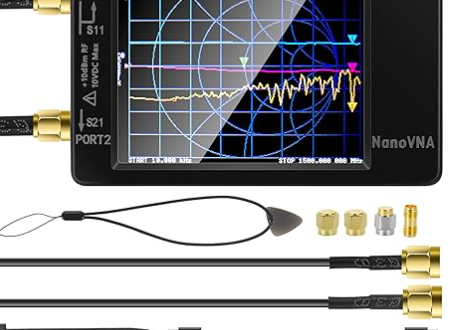
AURSINC NanoVNA-H Model
Vector Network Analyzer 9KHz -1.5GHz Latest HW V3.7 HF VHF UHF Antenna Analyzer, Measuring S Parameters, SWR, Phase, Delay, Smith Chart
About this item
- [UPGRADED NanoVNA-H] New HW Version V3.6. It is upgradeable as new firmware is developed. With MicroSD card port now can have the measurement data or the screenshots saved in the it at anytime. Added battery circuit management, more secure. Redesigned PCB, you can connect to mobile phone with Type C-Type C cable (original PCB needs OTG cable), see a clear HD image on your phone. Added a ABS case, which is protective and dust-proof. Disply: 2.8 inch TFT (320 x240)
- [IMPROVED FREQUENCY ALGORITHM] The improved frequency algorithm can use the odd harmonic extension of si5351 to support the measurement frequency up to 1.5GHz. The 50K-300MHz frequency range of the si5351 direct output provides better than 70dB dynamic, The extended 300M-900MHz band provides better than 60dB of dynamics, and the 900M-1.5GHz band is better than 40dB of dynamics
- [MULTIPLE FUNCTIONS] The default firmware main function is used for antenna performance measurement. The TX/RX method can measure the complete S11 and S21 parameters. If you need to obtain S12 and S22, you need to manually replace the transceiver port wiring. The CH0 output level is increased to 0dBm when using the fundamental wave, resulting in more accurate reflection measurement
- [SUPPORT ANDROID PHONE & PC SOFTSARE CONTROL] Designed a practical and simple control application on PC, you can download touchstone(SNP) files for radio design and simulation software. There is a PC interface that adds functionality and lets you work interactively on a bigger screen. Supports time domain analysis function (TDR). Compatible with most Android mobile phones, convenient for connecting to mobile phones. Support Windows Computer Control
- [STRONG AND SECURE POWER SUPPLY] This VNA is battery powered or USB powered. Built in 650mAh battery, could work for 2 hours continuously. For longer measurement time, kindly connect an external power source. The product interface displays battery usage, providing a clear understanding of the power status
- AMAZON
Emergency Lighting !
Local warehouse
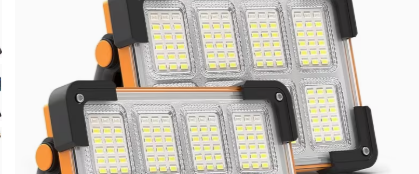
Solar Rechargeable LED Floodlight 6000Mah, 4 Lighting Modes, USB Input/Output, 180° Stand
TEMU $37.99 Reg $15..$15.21 Now
I Have 6 of these and they are bright!!Lights up the house with just 3, great for power outages, camping & more, 3 light levels plus red & blue flashing for emergencies
KNOW WHATS GOING ON IN YOUR AREA
Using You Ham Or GMRS Radio
For Police, Fire, EMS, Railroads
& More !
How to Use a Ham Radio as a Scanner
- Find Frequencies: Use the RadioReference Database to find local police, fire, or EMS frequencies.
- Program the Radio: Enter these frequencies into the radio’s memory channels. For handhelds like the Baofeng, Radtel, Retevis, Radioddity & More !
- CHIRP software is often used
- for easier bulk programming.
- If your radio is not listed on CHIRP I reccomend RT SYSTEMS, package 30.00 for software or buy the entire software & cable recomended for 50.00 !,
- When you get the download sent it to me before you open, I will registar it and have it at anytime you need to update.
- Disable Privacy Tones: When programming, ensure all CTCSS or DCS (privacy tones) are turned off to hear all traffic on that frequency.
- Make sure that you use the FM or FMN , will only work again on analog !
- REMEMBER !! DO NOT TX ON THESE FREQUENCIES !!
BE PREPARED FOR ANYTHING !
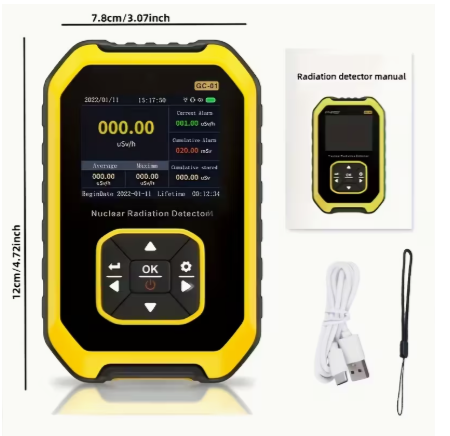
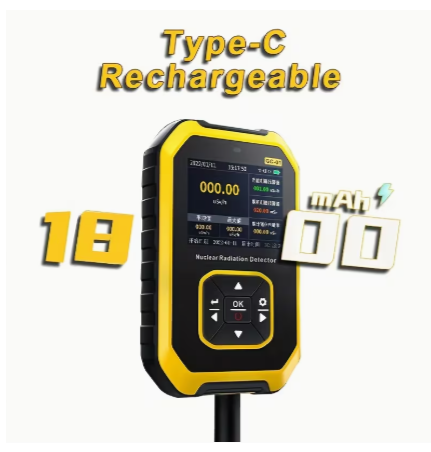
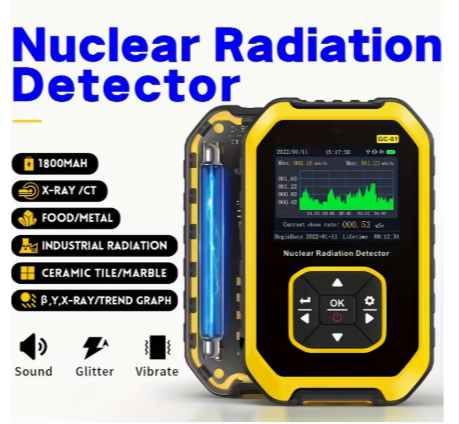
Geiger Counter Nuclear Radiation Detector - Radiation Dosimeter with LCD Display, Portable Handheld - Beta Gamma X-Ray Radiation
Description
LCD display for reading radiation levels.
Handheld design for portable use.
Measurement accuracy of 0.01 for radiation detection.
Detects Beta, Gamma, and X-Ray radiation.
FCC Ban On Chinese Radio's
The FCC's new rule to bar China-based testing labs and certification bodies from approving U.S. electronics is scheduled to take full effect on December 1, 2028, following a scheduled vote on October 29, 2026. [1, 2]
Key details regarding the restrictions include:
Scope: The measure bans testing laboratories in mainland China and Hong Kong from certifying U.S.-bound wireless and radio devices (such as Wi-Fi, Bluetooth, Zigbee, and RFID) as well as general electronics if they lack reciprocal treatment for U.S. labs. [1, 2]
Earlier Actions: The FCC began removing individual China-controlled or "covered list" testing labs starting in May 2025, and has implemented selective import bans on specific Chinese consumer routers, drones, and equipment from blacklisted companies like Huawei and ZTE. [1, 2, 3, 4, 5]
Impact on Existing Equipment: Existing devices and previously approved certifications remain valid, and consumers are not required to stop using radios or electronics they already own.
The Federal Communications Commission (FCC) maintains a list of communications equipment and services—officially known as the Covered List—that pose an unacceptable risk to U.S. national security fcc.gov.
Key Entities on the FCC Covered List
The FCC restricts authorization and prohibits federal funding for equipment and services from the following companies and their subsidiaries or affiliates:
Huawei Technologies Company (and its subsidiaries)
ZTE Corporation (and its subsidiaries)
Hytera Communications Corporation
Hangzhou Hikvision Digital Technology Company
Dahua Technology Company
AO Kaspersky Lab (Kaspersky antivirus and security products)
China Mobile International USA Inc.
China Telecom (Americas) Corp.
China Unicom (Americas) Operations Limited
Pacific Networks Corp. (and its subsidiary ComNet (USA) LLC)
What the Ban Means
No New Authorizations: The FCC does not review or approve new equipment authorization applications from these listed entities.
No Universal Service Fund (USF) Monies: Operators cannot use FCC subsidies to purchase, rent, or maintain equipment or services from these companies.
Supply Chain Integrity: The list is regularly updated under the Secure and Trusted Communications Networks Act of 2019 as security evaluations evolve.
You can view live updates and search specific restricted equipment categories directly on the FCC Covered List Portal.
Yes, prices on ham radio equipment—including affordable Chinese handhelds and accessories—have been and will continue to go up due to ongoing trade policies, shifting import duties, and rising manufacturing and logistics costs. [1, 2, 3]
Key Factors Driving Price Increases
U.S. Tariffs and Trade Policy: Average U.S. tariffs on Chinese goods and electronics remain a major burden, with rates and policy adjustments causing frequent cost spikes and supply chain shifts. [1, 2, 3, 4]
Wholesale and Dealer Adjustments: Major amateur radio manufacturers (such as Yaesu, Icom, and Kenwood) have implemented wholesale price increases across North American lines, which retailers pass down to consumers as older stock depletes. [1, 2, 3, 4]
Component and Shipping Costs: Higher labor expenses, tighter chip availability, and elevated global shipping rates are compounding the final retail price for both budget brands (like Baofeng or Quansheng) and high-end gear. [1, 2, 3, 4]
What This Means for Buyers
Buffer Inventory: Retailers have occasionally absorbed some initial costs by selling through older inventory, leading to a lag of a few weeks to months before a wholesale hike hits store shelves. However, that buffer continues to shrink. [1, 2]
Direct Imports: Ordering gear directly from overseas online marketplaces or Chinese suppliers often exposes buyers to sudden customs duties, broker fees, or shipment pauses. [1, 2]
Market Discussion: Operators sharing real-time market feedback on platforms like the Facebook Ham Radio Community note that gear prices have climbed noticeably over recent months. [1]
Prices for Japanese ham radio equipment imported to the U.S. are already going up and face continued upward pressure due to 15% to 24%+ import tariffs, component shortages, and rising manufacturing and logistics costs. [1, 2, 3, 4]
Key Factors Driving Price Increases
Tariffs: U.S. trade policies and reciprocal tariffs (ranging around 15% to 24% or more on Japanese electronics imports) have forced major Japanese manufacturers and domestic retailers to pass costs down to buyers. [1, 2, 3]
Manufacturer Surcharges & Hikes: Companies like Yaesu and Icom have implemented wholesale price increases or direct tariff surcharges (such as Icom's 24% invoice surcharge or Yaesu's wholesale adjustments ranging from 4% to 58% on select lines). [1, 2]
Model Examples: Popular mobile and base transceivers have seen clear jumps; for example, the Yaesu FT-891 climbed from around $499–$599 to roughly $699.95 at major U.S. distributors like Gigaparts and DX Engineering. [1]
Broader Costs: Beyond direct import duties, higher global prices for computer memory/chips, labor, and expensive international freight are keeping retail prices elevated. [1, 2]
Buyer Strategy
Stateside Inventory: Purchasing equipment already stocked domestically at major dealers avoids sudden line-item surcharges, though older, lower baseline prices are mostly gone. [1]
Used Market: Rising new-equipment prices have also increased demand and second-hand values for older, well-maintained transceivers. [1]